Streamlining Hard Rubbish Disposal: What to Consider
Managing hard rubbish disposal is crucial for ensuring a sustainable environment. Proper disposal techniques not only help in maintaining cleanliness but also optimize resource usage and reduce environmental impact. In this comprehensive guide, we will delve into various aspects of hard rubbish disposal, providing insights into effective strategies to streamline the process.
Understanding Hard Rubbish
Hard rubbish typically includes large household items that are no longer needed or broken. These can range from old furniture and appliances to mattresses and electronic waste. Properly managing the disposal of these items is essential to avoid environmental hazards and free up valuable space in urban areas.
Key Considerations in Hard Rubbish Disposal
1. Assessment of Items
Before disposing of any hard rubbish, start with a comprehensive assessment of your unwanted items. Consider their condition, potential for reuse, and disposal techniques:
- Condition Evaluation: Identify items that are still functional or can be repaired. These can be donated or sold.
- Potential for Reuse: Items with potential value should be repaired, redesigned, or upcycled.
- Disposal Options: For truly unusable items, consider environmentally friendly disposal methods.
2. Local Government Regulations
Adhering to local government regulations is paramount when disposing of hard rubbish. Different regions may have specific rules and disposal schedules. It's crucial to:
- Check scheduled collection dates and disposal procedures in your locality.
- Identify materials that require special disposal methods, such as electronic waste.
- Comply with size and weight restrictions for curbside collection.
3. Recycling Centers and Drop-off Locations
Recycling centers offer a reliable option for disposing of hard rubbish sustainably:
- Locate nearby centers: Find approved centers that accept specific categories of hard waste.
- Understand accepted materials: Ensure your items are accepted at the drop-off centers.
- Prepare items properly: Clean and dismantle items as required by the recycling center.
Effective Hard Rubbish Disposal Methods
Donation and Reuse
Many items considered hard rubbish can be donated to charities or non-profit organizations. This method supports community efforts and promotes sustainable living practices:
- Identify suitable organizations: Contact charities that accept used furniture, appliances, and electronics.
- Prepare for donation: Ensure items are in good condition and safely functional.
- Organize transport: Coordinate delivery or pickup with the chosen organization.
Professional Junk Removal Services
Hiring professional junk removal services is a convenient solution for bulk disposal:
- Research local providers: Choose services with a strong emphasis on sustainability and responsible disposal.
- Request quotes: Obtain detailed pricing and service offerings before committing.
- Consider sorting policies: Ensure that items removed are sorted and recycled properly.
Environmental Impact and Sustainable Practices
Considering the environmental impact of hard rubbish disposal is crucial for adopting sustainable practices:
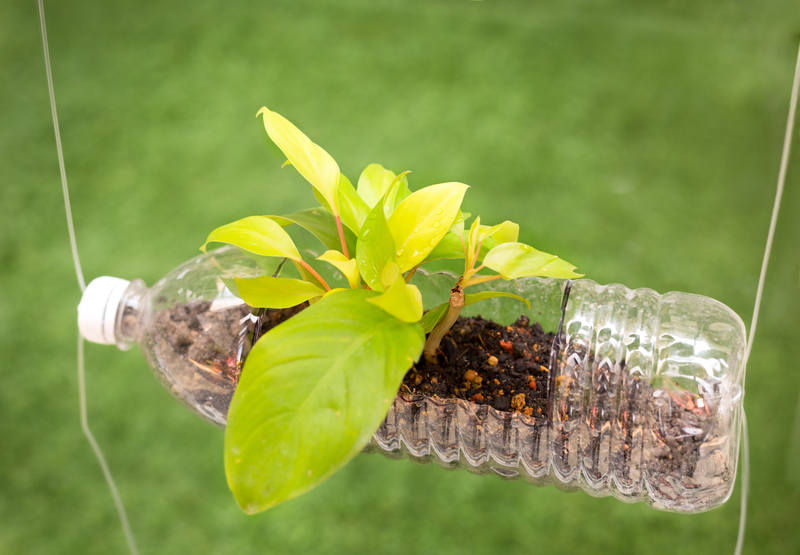
- Minimize landfill use: Reuse and recycle whenever possible to reduce waste in landfills.
- Opt for green technologies: Choose services that utilize environmentally friendly disposal technologies.
- Educate yourself and others: Share knowledge about sustainable disposal methods and encourage community involvement.
Conclusion
Properly managing hard rubbish is essential for environmental sustainability and maintaining a clean, organized living space. By assessing items, understanding local regulations, utilizing recycling centers, and considering donation and professional removal services, we can streamline the disposal process effectively. Through a combination of these methods, the goal of responsible and sustainable waste management becomes achievable.
Adopting these strategies will not only benefit the environment but also foster a community culture that values sustainability and responsible consumption. Let's work together to create a cleaner, more sustainable world for future generations.